
Roof Leak Assessment & Cost Calculator
A roof leak repair runs $350 to $1,500, averaging around $800 — but the bill depends on how many entry points there are and how hard they are to reach, not on the size of the stain. This calculator builds the estimate the way the work happens.
Quick answer: a $150 callout plus two leak points at $120 each is $390. With a 1.0 access multiplier and a 10% contingency that becomes $429 — about $215 per point.
- Cost per leak point
- Access multiplier
- Contingency
Leak repair cost calculator inputs and results
An access multiplier of 1.0 is straightforward; 1.3 covers a steep roof, height or a tight site.
- Callout / inspection fee
- Leak points
- Cost per leak point
- Access multiplier
- Contingency (%)
Interior repairs and any deck replacement found once the leak is opened are outside this figure.
Show calculation
What a roof leak repair costs, and how this calculator prices it
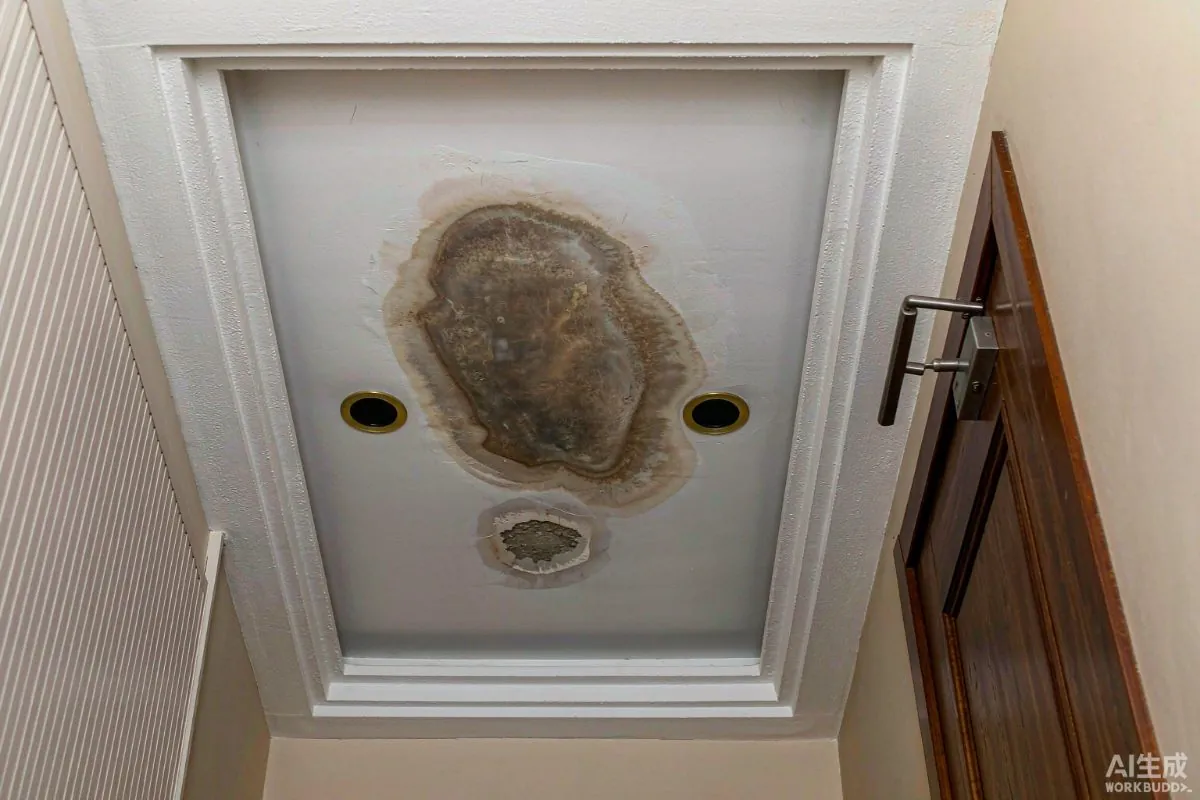
A roof leak repair costs $350 to $1,500, with a national average around $800. The range is wide because a leak is a point defect rather than an area problem. The bill depends on how many separate entry points there are and how hard they are to reach — not on the size of the stain on the ceiling, which is usually nowhere near the failure.
Finding the entry point is a roof inspection, and it is the part that decides everything after it. Water runs along the deck and the rafters before it finds a way through, so a repair aimed at the stain is a repair aimed at the wrong place.
This calculator builds the estimate the way the work happens: a callout, a cost for each entry point, an access multiplier and a contingency for what turns up once the roof is open. If water is coming in right now rather than having done so at some point, the emergency repair estimate is the closer tool.
The five inputs and the five results
One input is a count you take on the roof, three come from a quotation, and one is a judgement about what might be hiding. That last one is the honest part of the model.
| Input | Unit | What to enter | Where it comes from |
|---|---|---|---|
| Callout / inspection fee | $ | The charge for attending and finding the leak | The quotation; zero if it is absorbed |
| Leak points | count | Separate entry points, not stains | Established on the roof, not from inside |
| Cost per point | $ | The average repair at each point | The quotation, averaged if they differ |
| Access multiplier | × | Height, steepness, tight site | 1.0 straightforward; 1.3 for steep or high |
| Contingency | % | Allowance for what is found on opening | Judgement; 10% is a starting point |
Two stains can be one leak that has travelled, and one stain can be two failures meeting. Only the roof side tells you which, which is why the point count comes from up there.
The results
A total, the four components that build it, and a cost per point that makes two quotes comparable.
| Result | Unit | What it means |
|---|---|---|
| Estimated repair | $ | Everything below, added in order. |
| Callout | $ | The attendance fee as entered. |
| Work at points | $ | Points × cost per point. |
| After access | $ | Callout and work, multiplied by the access factor. |
| Contingency | $ | The allowance, calculated on the post-access figure. |
Cost per point is the comparison figure: two contractors quoting the same total for the same roof should land on the same number, and if they do not, one of them has counted different points.
How to Use the Roof Leak Assessment and Cost Calculator
Find the points first, then price them. Doing it the other way round produces a number that fits a stain rather than a roof.
- Establish the points on the roof. Not from the ceiling. Water can run several metres along a rafter, so the stain is a hint about direction, not location.
- Enter the callout. What the contractor charges to attend and investigate. Some absorb it into the repair; if yours does, enter zero and the arithmetic still holds.
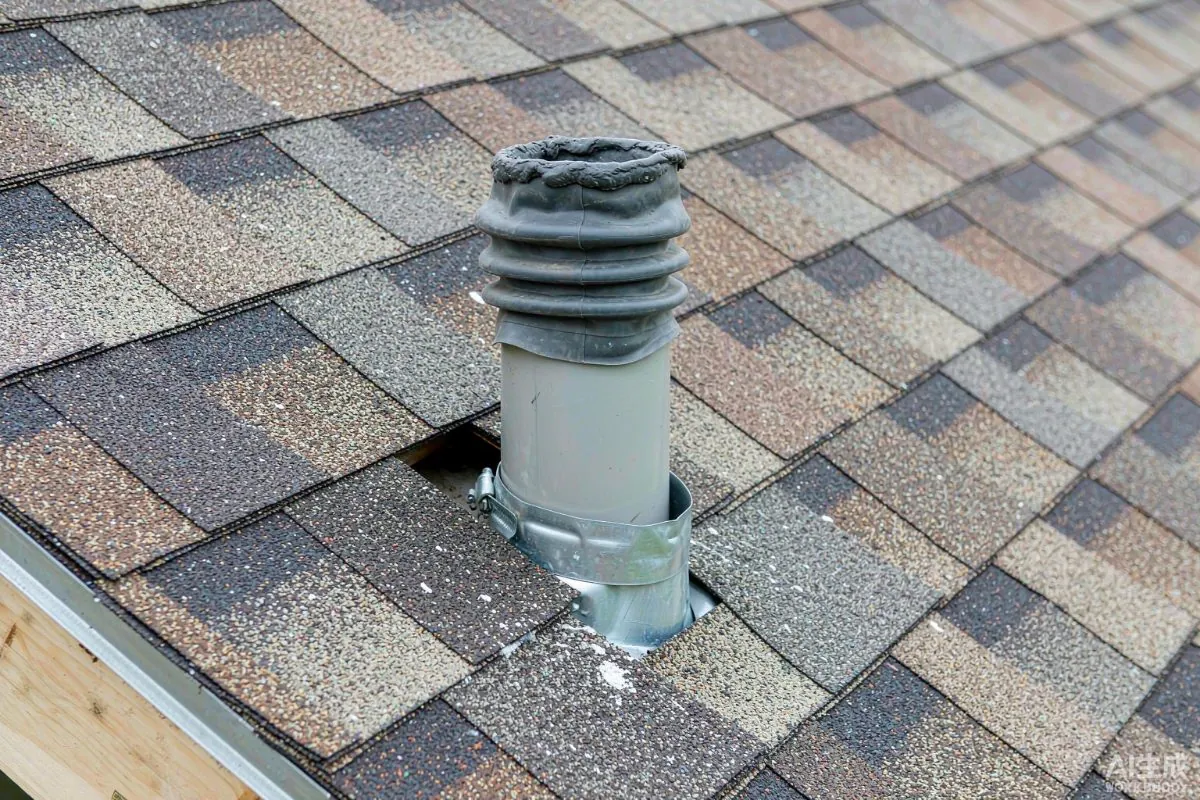
- Set a cost per point. The average repair at each location. If one point is a vent boot and another is a chimney, they are not the same job — run the expensive one separately rather than averaging it away.
- Apply the access multiplier. 1.0 for a roof you can walk. Around 1.3 for steep, high or tight. It multiplies the callout as well as the work, which is right when access slows the whole visit.
- Set the contingency. Ten per cent is a starting point, not a prediction. Opening up a roof regularly reveals a soft patch of deck or a corroded flashing that nobody could see from outside.
- Read the total, then the cost per point. The total is what you pay; the per-point figure is what tells you whether the quote is priced like the job you described.
- Ask what the price excludes. Deck repair, interior plaster and insulation are almost always separate. A leak that has been running for months has a second bill attached to it.
The formulas
subtotal = (callout + work) × access multiplier
contingency = subtotal × contingency % ÷ 100
total = subtotal + contingency
per point = total ÷ leak points
The access multiplier applies to the callout as well as the work, because getting to the roof is part of the difficulty. If your contractor prices the callout as a fixed fee regardless of access, apply the multiplier to the work only and add the callout afterwards.
Worked examples
Example 1 — two points on an accessible roof
- Work
- 2 × $120 = $240
- Subtotal
- ($150 + $240) × 1.0 = $390
- Contingency
- $390 × 10% = $39
- Total
- $429
- Per point
- $429 ÷ 2 = $215
Example 2 — the same leaks on a steep, high roof
- Work
- 2 × $120 = $240
- Subtotal
- ($150 + $240) × 1.3 = $507
- Contingency
- $507 × 10% = $50.70
- Total
- $557.70
Thirty percent more for access turns a $429 job into nearly $560. That is why access is an input rather than an afterthought.
Where leaks start, and what each one costs
The detail is almost always the culprit, not the field of the covering. That matters for the price as much as for the diagnosis: a chimney is not priced like a pipe boot, and the difference between them is most of the published range.
By severity, the same guide puts a minor leak at $150 to $800, a moderate one at $800 to $3,000, and a major one — the sort that has reached the structure — at up to $8,000. Labour is roughly 60% of the bill, which is why the location matters more than the material.
| Location | Usual failure | Where the water shows | Typical repair |
|---|---|---|---|
| Chimney | Flashing chased into the wall, or a failed apron | Ceiling near the chimney, often offset | $200 – $3,500 |
| Vent pipe | Perished rubber boot or cracked collar | Directly below, or along a rafter | $100 – $600 |
| Valley | Insufficient overlap, or blocked with debris | Along the valley line inside | $300 – $1,500 |
| Skylight | Failed curb flashing or seal | Around the opening | $300 – $800 |
| Gutters | Overflow from a blockage, backing up under the edge | At the soffit and fascia | $100 – $250 |
| Eave and rake | Drip edge missing, or underlayment short | At the wall plate or soffit | Priced by length |
| Field shingles | Storm damage, or fasteners backing out | Widespread, after wind or hail | $150 – $450 |
Fixr, roof leak repair costs, 2026 data observed 15 November 2026. Ranges cover the repair only, not decking, insulation or interior damage.
Water follows the deck, so the internal stain is often not below the entry point. That is why diagnosis matters more than repair speed, and why a contractor who repairs the stain rather than the entry point will be back — the second visit is rarely free.
The cheapest line in that table is the one people skip. A gutter that overflows because it is blocked sends water behind the fascia and into the eave, and the fix is a clean rather than a repair. It is worth ruling out before anything is opened up.
Limitations and assumptions
- No rates supplied. Callout and per-point costs are yours; they vary by region and by contractor.
- Points are assumed equal. A chimney rebuild and a vent boot are not the same job. Where one point is clearly heavier, price it separately rather than averaging it into the rest.
- No deck replacement. Rot found under the leak is extra, and it is discovered rather than estimated.
- No interior repair. Plaster, paint, insulation and any mould treatment are separate trades and separate bills.
- Diagnosis is not modelled. Finding an intermittent leak can take more than one visit, and the calculator prices one.
- The contingency is an allowance, not a forecast. It covers what might be found, not what will be.
- Not a maintenance plan. A leak that returns each season is a maintenance problem rather than a repair, and the maintenance cost calculation prices a year of visits against a one-off fix.
- Not a quotation. Nothing here has seen the roof, the deck or the stain.
Frequently asked questions
A typical repair runs $350 to $1,500, with a national average around $800. The low end is a vent boot or a handful of shingles; the high end is a chimney or a leak that has reached the structure. Labour is roughly 60% of the bill, which is why where the leak is matters more than what it is made of.
Because a leak is a point defect. Two separate stains usually mean two separate failures, and each needs its own investigation and repair. Area-based pricing suits re-covering, not diagnosis.
It scales the work for difficulty: a steep roof, a high building, a tight site or awkward internal access all slow the job down. A multiplier of 1.3 represents roughly a third more time. Use the figure your contractor applies rather than a default.
Because the visible leak is rarely the whole story. Opening up a roof often reveals a second problem — a soft patch of deck, a corroded flashing, wet insulation. Ten per cent is a starting allowance, not a prediction.
Flashing details, penetrations and valleys account for most leaks, not the field of shingles. A chimney, a vent boot or a valley is far more likely to be the entry point than the middle of a slope. The table above lists the usual suspects, where the water appears and what each typically costs to fix.
Water follows the deck, the rafters and the sheathing before it finds a way through the ceiling, and it can travel several metres. That is why a repair based on the position of the stain alone so often misses.
Not properly. Interior sealants are a temporary measure at best, and they trap moisture in the assembly. The repair has to be made at the entry point, from the roof side.
Sometimes, and the distinction is usually sudden damage against wear and tear. A storm opening is commonly covered; a failed flashing that has been leaking for years usually is not. If it is covered, what the policy pays depends on replacement cost against actual cash value, which is a separate calculation.
When it recurs, when it appears after every storm, or when the deck feels soft. Repeated leaks at the same point usually mean the detail was never corrected. At that stage the question stops being about the leak and the repair or replace comparison is the one worth running.
No. Plaster, paint, insulation and any mould remediation are separate trades and separate costs. Add them if the leak has been running long enough to cause damage.
Where these numbers come from
The arithmetic is addition, multiplication and division. The causes table reflects the standard diagnostic order used in roofing practice: details first, field last.
No prices are supplied, because callout fees and per-point rates vary by region and by contractor.
- Contractor quotations for callout and repair, stating what is included.
- Manufacturer installation instructions for the flashing details most likely to fail.
- Your own maintenance records, which show which details have failed before.
- Fixr, roof leak repair costs — the $350 to $1,500 range, the $800 average, the cost by location and the severity bands, 2026 data observed 15 November 2026.
Repairing for the third time?
Repeated leaks at the same detail are a sign the decision has moved on.